
There's something undeniably soothing about the crisp, golden crust and airy crumb of focaccia bread. This Gluten-Free Focaccia Bread Recipe captures all that rustic charm without the gluten, so you don’t have to miss out on this classic Italian treat. It’s fluffy, flavorful, and perfect for any occasion!

Jump to:
Why You'll Love This Recipe
I’m beyond excited to share this gluten-free focaccia bread with you—this isn’t just "bread that happens to be gluten-free." It's got that soft, chewy texture and those signature dimpled surfaces we all adore. Plus, making it at home means you control every flavorful ingredient.
- Great Texture: Achieving a light, airy focaccia without gluten can be tricky, but this recipe nails it every time.
- Simple Ingredients: Easy to find pantry staples come together to create something extraordinary.
- Customizable Flavor: Fresh rosemary is classic, but you can easily swap in your favorite herbs or toppings.
- Perfect for Any Meal: Whether you want it as a side, sandwich base, or just to snack on, it’s versatile and always satisfying.
Ingredients & Why They Work
Each ingredient in this gluten-free focaccia plays a meaningful role to ensure the dough rises beautifully and has that authentic focaccia feel. Make sure you have a reliable gluten-free all-purpose flour blend—my secret weapon for moisture and structure.

- Gluten-Free All-Purpose Flour with xanthan gum: This acts as the backbone, giving the dough structure while the xanthan gum mimics gluten's stretchy qualities.
- Rapid Yeast/Instant Yeast: Necessary for that glorious rise and light texture; helps the bread develop air pockets.
- Baking Powder: Adds extra lift and helps keep the crumb tender.
- Warm Water (110-115°F): The perfect temperature activates the yeast without killing it—too hot, and you risk spoiling your rise.
- Honey: Feeds the yeast and adds a subtle natural sweetness balancing the savory elements.
- Apple Cider Vinegar: This little acid kicker enhances flavor and improves dough elasticity.
- Olive Oil (divided): Imparts rich flavor, helps with the dough’s moist texture, and forms that beautiful crust.
- Salt: Essential for flavor, plus it regulates yeast activity to prevent over-proofing.
- Fresh Rosemary (or dried): Traditional herb that brightens the focaccia and fills your kitchen with incredible aroma.
Make It Your Way
I love experimenting with this gluten-free focaccia bread recipe by switching up the herbs or adding toppings right before baking. It’s your canvas—try sun-dried tomatoes, olives, or even caramelized onions. It’s all about making it your own.
- Herb Variations: I’ve had amazing results swapping rosemary for thyme, oregano, or a mix of Italian herbs depending on the season or meal.
- Toppings: Sometimes I sprinkle flaky sea salt and cracked black pepper or dot the dough with garlic confit for an extra punch.
- Spicy Kick: For a fun twist, I add red chili flakes to the dough or on top before baking—it’s surprisingly delicious!
- Diet Modifications: This recipe is naturally dairy-free and vegan; just be sure to use a gluten-free flour blend that suits your dietary needs.
Step-by-Step: How I Make Gluten-Free Focaccia Bread Recipe

Step 1: Set the Perfect Warm Spot for Rising
Start by preheating your oven to the proofing setting or 200°F (93°C). When it reaches around 100°F (38°C), switch it off—this warm environment is just right for the dough to rise without overheating. I like to cover the bowl with plastic wrap and a kitchen towel to keep the moisture in.
Step 2: Combine Dry Ingredients Thoroughly
In a large bowl, mix the gluten-free flour, instant yeast, baking powder, and salt. I usually give this a good stir to make sure everything is evenly distributed before adding any liquids.
Step 3: Activate the Yeast with Honey Water
Warm the water just right, about 110-115°F, then stir in the honey until dissolved. Pour this mix into your dry ingredients and use a mixer with a paddle attachment on low speed. The dough will be sticky – don’t worry, that’s exactly how it should be!
Step 4: Incorporate Olive Oil and Apple Cider Vinegar
Add ½ cup of olive oil and the apple cider vinegar. Mix again for 1-2 minutes on low speed until the dough starts forming properly. The dough’s consistency is wetter than standard bread dough, which helps keep it soft and tender once baked.
Step 5: First Rise in Warm Oven
Grease an ovenproof bowl (I use olive oil spray) and place the sticky dough in it. Cover tightly and tuck it inside your warmed, turned-off oven for about 30 minutes. It should puff up nicely but don’t expect it to double like traditional yeast dough.
Step 6: Shape Your Dough and Prepare for Baking
Next, preheat the oven to 400°F (204°C). Drizzle a tablespoon of olive oil onto your baking sheet. Turn your dough out gently onto the sheet, then shape it into an 8x10-inch rectangle about an inch thick. Use your fingertips to create little dimples all over—the dimples are key to focaccia’s signature look and texture.
Step 7: Add Toppings and Bake
Drizzle the dough with another tablespoon of olive oil, sprinkle with salt, and scatter chopped rosemary or any herb you love. Bake on the upper rack for 20 minutes until golden and delicious.
Step 8: Finish with a Quick Broil for Crispiness
For the perfect golden crust, switch your oven to broil and broil the focaccia for 30 seconds to 1 minute. Keep a close eye since broilers can burn quickly. This little step gives it that irresistible crispy top layer.
Top Tip
After making this gluten-free focaccia several times, I’ve learned a few little tricks that make a huge difference. These tips help you get that authentic focaccia texture and flavor without the guesswork.
- Proofing Temperature Matters: Too hot or too cold and your yeast won’t behave—aim for a warm but gentle heat to get that perfect rise.
- Don’t Skip the Olive Oil: It’s not just for flavor; it keeps the crust crispy and the crumb soft and moist.
- Use Your Fingertips for Dimples: Press lightly with your fingertips rather than a tool to avoid tearing the dough.
- Watch the Broiler Closely: It can go from golden to burnt in seconds—stand by and check constantly.
How to Serve Gluten-Free Focaccia Bread Recipe

Garnishes
I’m a sucker for classic rosemary and flaky sea salt, but sometimes I like to sprinkle on grated vegan parmesan or add a drizzle of balsamic glaze when serving. Fresh cracked black pepper adds a little warmth that really complements the olive oil crust beautifully.
Side Dishes
This gluten-free focaccia pairs wonderfully with hearty soups—think tomato basil or roasted red pepper—and also makes a fantastic base for open-faced sandwiches loaded with fresh veggies and proteins.
Creative Ways to Present
For birthdays or dinner parties, I like cutting this focaccia into bite-sized squares, topping each with a different spread or topping like tapenade, hummus, or roasted garlic—turns out it’s a fantastic appetizer that guests love.
Make Ahead and Storage
Storing Leftovers
I store leftover focaccia in an airtight container or wrapped tightly in plastic wrap at room temperature. It stays fresh and soft for about 2 days, though it rarely lasts that long in my house!
Freezing
Freezing slices wrapped well in plastic and foil works great if you want to keep it longer. Just thaw at room temperature before reheating—I’ve found this method maintains both flavor and texture nicely.
Reheating
To bring back that just-baked feeling, I pop focaccia slices in a toaster oven or under the broiler for a minute or two. This crisps up the edges while keeping it tender inside—magic every time!
Frequently Asked Questions:
I recommend using a gluten-free flour blend that already contains xanthan gum or adding it separately, as it helps give the dough elasticity and structure needed for focaccia’s texture. Without it, the bread might be crumbly or dense.
You can store it at room temperature for up to two days in an airtight container. For longer storage, freezing is best—just wrap slices tightly and thaw before reheating.
Yes! This focaccia recipe uses no animal products, making it naturally vegan and dairy-free—perfect if you’re catering to those dietary needs without sacrificing taste.
Absolutely! Feel free to customize your focaccia with toppings like olives, sun-dried tomatoes, caramelized onions, or even vegan cheese before baking. Just add them after shaping the dough and before baking.
Final Thoughts
This gluten-free focaccia bread recipe is truly a gem in my kitchen repertoire — it’s reliable, delicious, and just so comforting to make and share. I hope you enjoy making it as much as I do, and that it becomes your go-to for easy gluten-free baking that doesn’t compromise on flavor or texture. Give it a try and let that warm, herby olive oil aroma fill your home—it’s one of those small daily joys that I love passing along to friends like you!
Print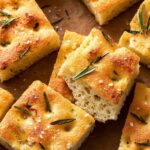
Gluten-Free Focaccia Bread Recipe
- Prep Time: 15 minutes
- Cook Time: 20 minutes
- Total Time: 65 minutes
- Yield: 12 servings
- Category: Bread
- Method: Baking
- Cuisine: Italian
- Diet: Gluten Free
Description
This gluten-free focaccia recipe yields a fluffy, flavorful bread that's naturally dairy-free and vegan. Using gluten-free flour with xanthan gum and a blend of olive oil and fresh rosemary, this focaccia features a tender crumb with a delicious golden-brown crust, perfect for sandwiches or as a side.
Ingredients
Dry Ingredients
- 3½ cups gluten-free all-purpose flour with xanthan gum
- 2¼ teaspoons rapid yeast/instant yeast (1 packet)
- 1 tablespoon baking powder
- 1 teaspoon salt (plus more for sprinkling)
- 1 tablespoon chopped fresh rosemary (or 1 teaspoon dried)
Wet Ingredients
- 2 cups warm water (110-115°F / 43-46°C)
- 1 tablespoon honey
- 1 teaspoon apple cider vinegar
- 10 tablespoons olive oil (divided: ½ cup + 2 tablespoons)
Instructions
- Preheat Oven for Proofing: Preheat your oven to the proofing setting or 200°F (93°C). Once the oven reaches 100°F (38°C), turn it off to create a warm environment for proofing the dough.
- Mix Dry Ingredients: In a large bowl, combine the gluten-free all-purpose flour, instant yeast, baking powder, and 1 teaspoon salt. Stir well to distribute all ingredients evenly.
- Prepare Yeast Mixture: Add honey to the warm water and stir until fully dissolved, creating a sweetened liquid to activate the yeast.
- Combine Wet and Dry Ingredients: Pour the warm honey water mixture into the dry ingredients and mix on low speed using a stand mixer with paddle attachment until combined.
- Add Oil and Vinegar: Pour ½ cup olive oil and apple cider vinegar into the dough mixture and mix on low speed for 1-2 minutes until the dough begins to form. The dough will be sticky, which is expected.
- First Rise: Grease an ovenproof bowl with olive oil cooking spray, place the sticky dough inside, cover it with plastic wrap and a kitchen towel, then place in the warmed oven for 30 minutes to rise.
- Preheat Oven for Baking: Remove the dough from the oven and preheat your oven to 400°F (204°C) for baking.
- Prepare Baking Sheet: Drizzle 1 tablespoon olive oil onto the center of a baking sheet and spread it out.
- Shape Dough: Turn the risen dough out onto the greased baking sheet and gently pat it into an 8x10-inch rectangle about 1-inch thick.
- Create Dimples: Using your fingertips, press down lightly to create characteristic focaccia dimples across the dough.
- Add Toppings: Drizzle another tablespoon of olive oil evenly over the dimpled dough. Sprinkle with salt and chopped rosemary or your herb of choice.
- Bake: Place the baking sheet on the top rack of the oven and bake for 20 minutes until golden.
- Broil for Crispiness: For a golden-brown crust, broil the focaccia for 30 seconds to 1 minute. Watch carefully to prevent burning.
Notes
- This recipe is naturally dairy-free and vegan.
- You can substitute dried rosemary with other herbs like thyme or oregano if preferred.
- Make sure the water temperature is between 110-115°F to properly activate yeast without killing it.
- If you don't have a stand mixer, mix the dough vigorously by hand.
- Use olive oil cooking spray or extra olive oil to grease bowls and pans to prevent sticking.
- Broil cautiously as oven broilers vary widely in intensity.
Nutrition
- Serving Size: 1 slice
- Calories: 225 kcal
- Sugar: 3 g
- Sodium: 197 mg
- Fat: 13 g
- Saturated Fat: 2 g
- Unsaturated Fat: 9 g
- Trans Fat: 0 g
- Carbohydrates: 28 g
- Fiber: 4 g
- Protein: 4 g
- Cholesterol: 0 mg


Leave a Reply